
Preventing Mold Growth After Flooding in Cape Coral
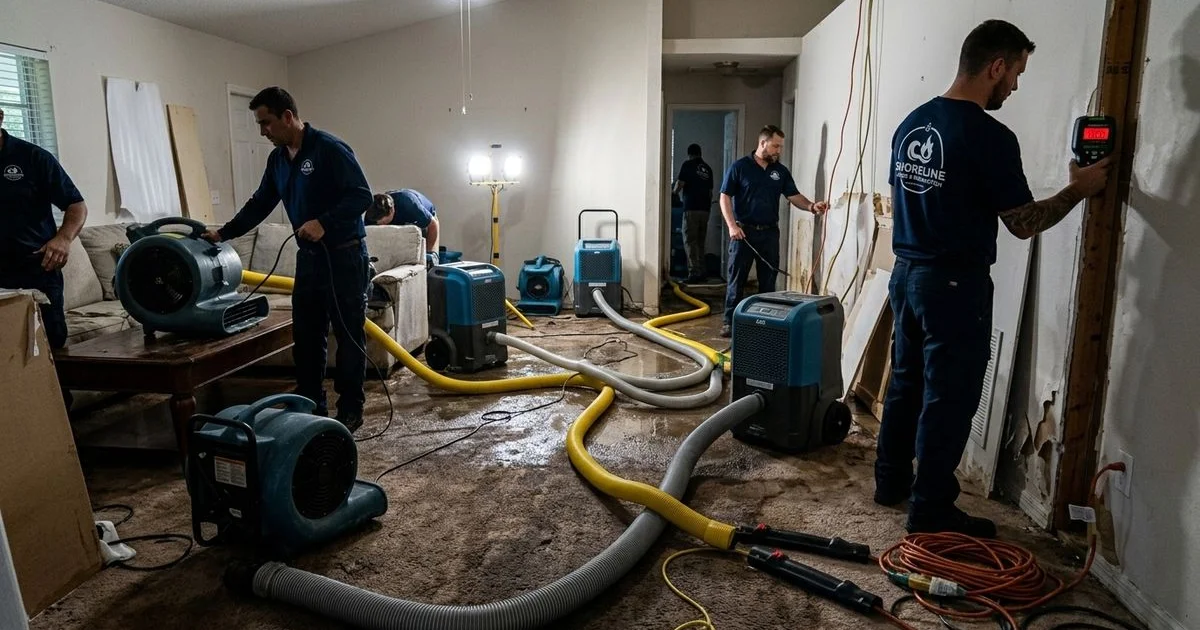
The 24 to 48 hours after a flooding event in your Cape Coral home are the most critical window for mold prevention. In Florida’s subtropical humidity, mold spores that are always present in the air can begin colonizing damp surfaces within a single day. Once mold establishes itself, the problem shifts from prevention (relatively inexpensive) to remediation (significantly more costly and disruptive).
Here are the steps that make the biggest difference in preventing mold growth after flooding — actions you can begin immediately, even before professional help arrives.
Step 1: Remove Standing Water as Fast as Possible
The clock starts the moment water contacts your building materials. Every hour water sits, it absorbs deeper into drywall, wood, carpet, and insulation.
What you can do now:
- Use a wet/dry shop vacuum to remove standing water from hard surfaces
- Use towels and mops on remaining surface water
- Open drains in floor-level bathtubs and showers (if not already draining)
- Bail water from low-lying areas with buckets if pumps are not available
What professionals do:
- Deploy truck-mounted extraction systems that remove thousands of gallons per hour
- Use submersible pumps for deep standing water
- Extract water trapped in carpet, padding, and subflooring with weighted extraction tools
The faster water is removed, the less it penetrates structural materials and the easier subsequent drying becomes.
Step 2: Increase Air Circulation Immediately
Stagnant, humid air is mold’s best friend. Moving air promotes evaporation from damp surfaces and helps prevent the stagnant microclimates where mold establishes first.
- Open all windows and doors if weather permits (do this only if outdoor humidity is lower than indoor — which in Cape Coral during summer may not be the case)
- Turn on ceiling fans in all affected areas
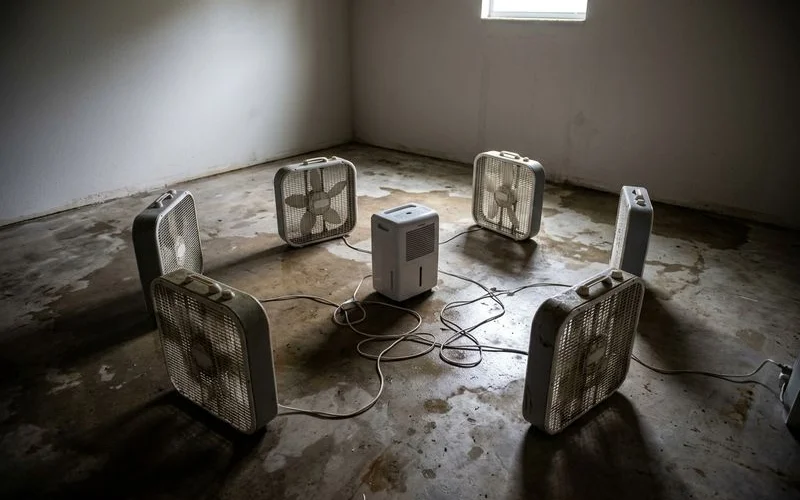
- Position box fans or portable fans to blow air across wet surfaces
- Open all cabinet doors, closet doors, and interior doors to eliminate stagnant pockets
Important: Do not turn on your HVAC system if flood water has entered ductwork or return air vents. Running the system will spread contaminated water and mold spores throughout your home. If ductwork is clean and the HVAC system is operational, running the AC helps dehumidify the indoor air.
Step 3: Remove Wet Materials That Trap Moisture
Certain materials trap moisture and are extremely difficult to dry in place. Removing them early dramatically reduces mold risk:
Carpet padding — this is the single most important material to remove. Carpet padding holds 5 to 10 times its weight in water and is virtually impossible to dry in place. Pull carpet back from tack strips, remove the saturated padding, and allow the subfloor to dry. The carpet itself may be salvageable if dried properly.
Wet insulation — fiberglass batts in walls and ceilings absorb water and lose their insulation value. If drywall has been opened for any reason, remove wet insulation immediately.
Soaked cardboard and paper — boxes, books, newspapers, and paper items left on wet floors provide excellent mold food sources. Remove them from the affected area immediately.
Step 4: Reduce Humidity Below 60%
Mold requires relative humidity above 60% to grow. In Cape Coral’s climate, indoor humidity after flooding can easily reach 80-90%. Reducing humidity below 60% is essential for preventing colonization.
Household dehumidifiers pull 3-5 gallons per day and are helpful for small areas. Place them in the most affected rooms, set to the lowest humidity setting, and empty the collection bucket frequently (or run a drain hose to a sink or outside).
Commercial dehumidifiers deployed by restoration professionals pull 30+ gallons per day and are far more effective at the volume needed after a flooding event. Professional drying is strongly recommended for any flooding involving more than a single small room.
Monitor humidity with a hygrometer ($10-$20 at hardware stores). Place it in the affected area and check regularly. Your target is below 60% relative humidity and ideally below 50%.
Step 5: Apply Antimicrobial Treatment
Antimicrobial solutions prevent mold spores from germinating on damp surfaces, buying you additional time while drying is in progress.
What you can do: Clean hard surfaces (tile, concrete, sealed wood) with a mild bleach solution (1 cup bleach to 1 gallon water) or an EPA-registered antimicrobial product available at hardware stores. Allow the solution to remain on surfaces for at least 10 minutes before rinsing.
What you should NOT do: Do not apply bleach to drywall, wood, or porous materials — it does not penetrate deeply enough to prevent mold growth in porous substrates, and the moisture in the bleach solution can actually feed mold growth.
What professionals do: Apply EPA-registered antimicrobial products specifically formulated for flood restoration. These products are designed to penetrate porous surfaces and provide extended protection during the drying period.
Step 6: Monitor for Early Signs of Mold
Even with preventive measures in place, monitor the affected area daily for the first two weeks:
- Musty odor — the first sign of active mold growth is often a musty or earthy smell
- Discoloration — look for spots of green, black, white, or gray on walls, ceilings, and baseboards
- Texture changes — bubbling paint, warping drywall, and softening surfaces may indicate moisture retention and early mold growth
- Health symptoms — unexplained coughing, sneezing, eye irritation, or headaches when in the affected area
If you notice any of these signs, call for professional assessment immediately. Early-stage mold is far less expensive to address than established colonies.
When Professional Help Is Essential
DIY mold prevention measures are appropriate for very small areas of clean water flooding (a spilled bucket, a minor sink overflow). For any of the following situations, professional restoration with commercial drying equipment is essential:
- Flooding affecting more than one room
- Water standing for more than a few hours
- Contaminated water (flood water, sewage, gray water from appliances)
- Carpet or drywall exposed to water
- HVAC system exposed to water
- Property was unoccupied when flooding occurred
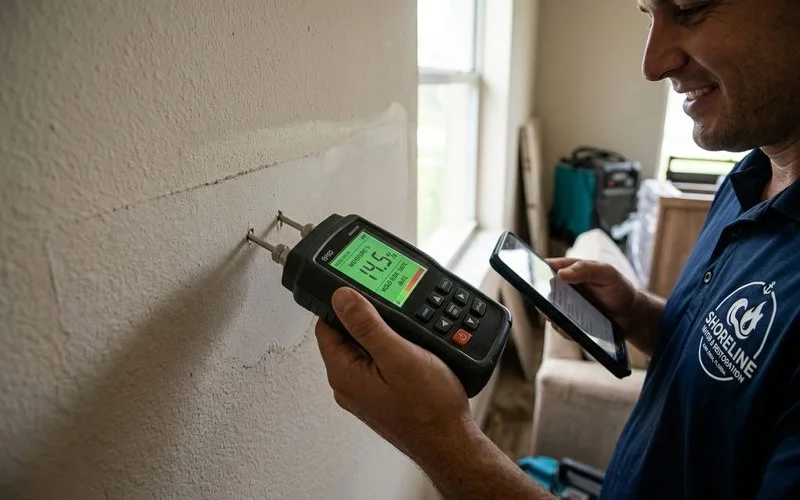
In Cape Coral’s climate, the margin for error is extremely slim. Professional drying equipment, antimicrobial treatments, and daily moisture monitoring provide the best chance of preventing mold growth after a flood.
Call (239) 268-8546 for flood response and mold prevention in Cape Coral. 60-minute emergency response, 24/7.

Gary Stone
Regional Franchise Operator
Gary Stone co-operates the Shoreline Water & Restoration Cape Coral franchise, specializing in commercial restoration and hurricane damage recovery.
Need Emergency Restoration?
Shoreline Water & Restoration provides 60-minute emergency response in Cape Coral.
Call (239) 268-8546